 |
|
Introduction to the Morohashi Museum of Art |
|
About the Museum
Teizo Morohashi (1932-2003) was the founder of Xebio Co. Ltd., whose head office is located in Koriyama City, Fukushima, Japan. The company has 100 stores; mainly large sports shops, all over Japan. In 1962, in Iwake city, Morohashi began a menswear business and store, Sankyo, which later became Xebio. His company grew in success and eventually was listed in the First Section of the Tokyo Stock Exchange. A successful businessman, Morohashi also collected art, mostly western modern art, for more than 20 years. With this collection and profits from his company, he decided to open a museum in his local community. He chose Ura-Bandai, near Goshikinuma, a picturesque area of Fukushima. Morohashi enjoyed his collection, and envisioned sharing that enjoyment with others. In 1999, Morohashi donated his art collection, land and the building that would become the Morohashi Museum of Art.
Introduction to our collections:
|
About the collection
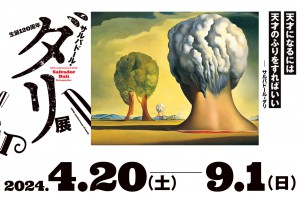
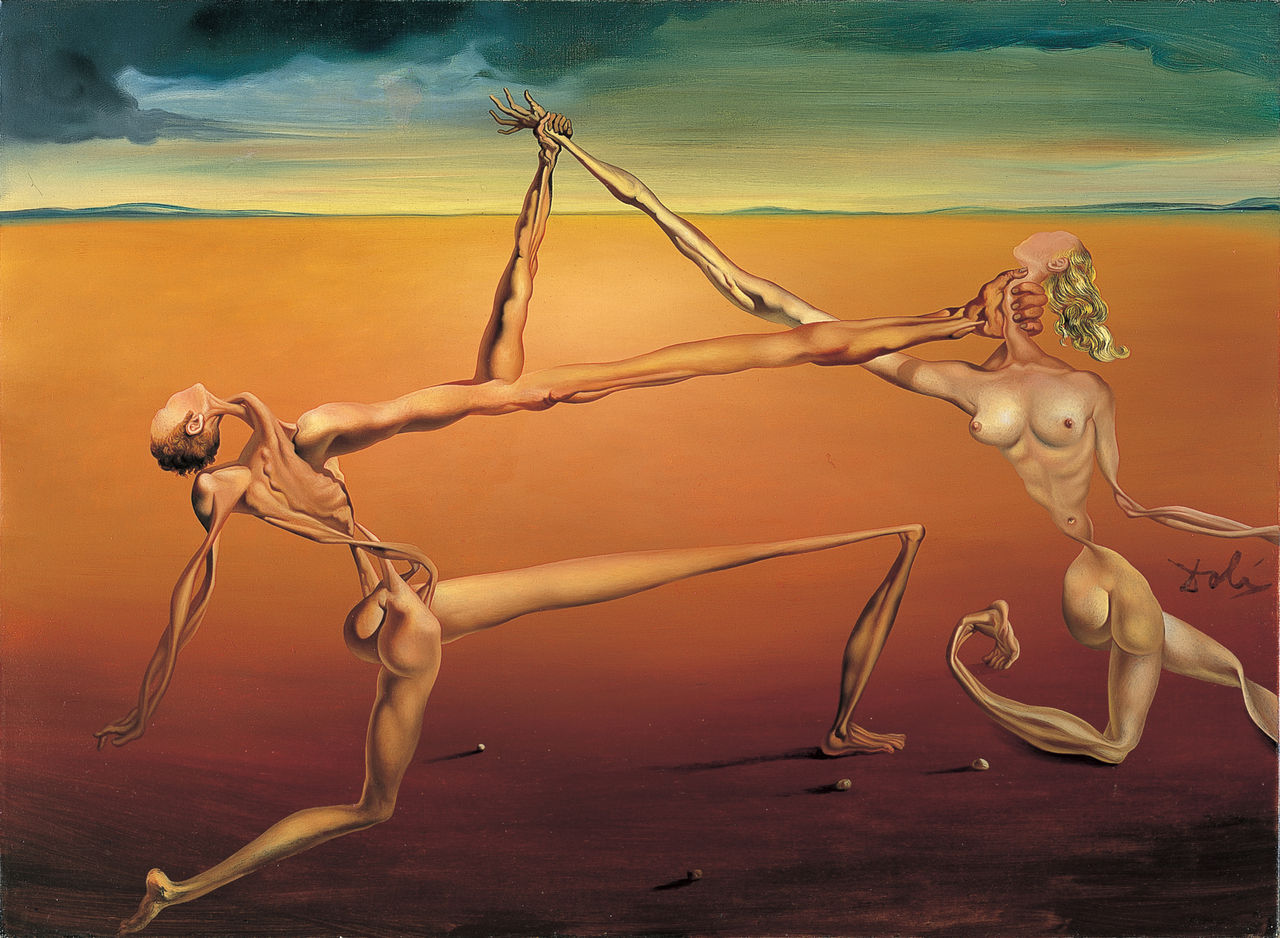
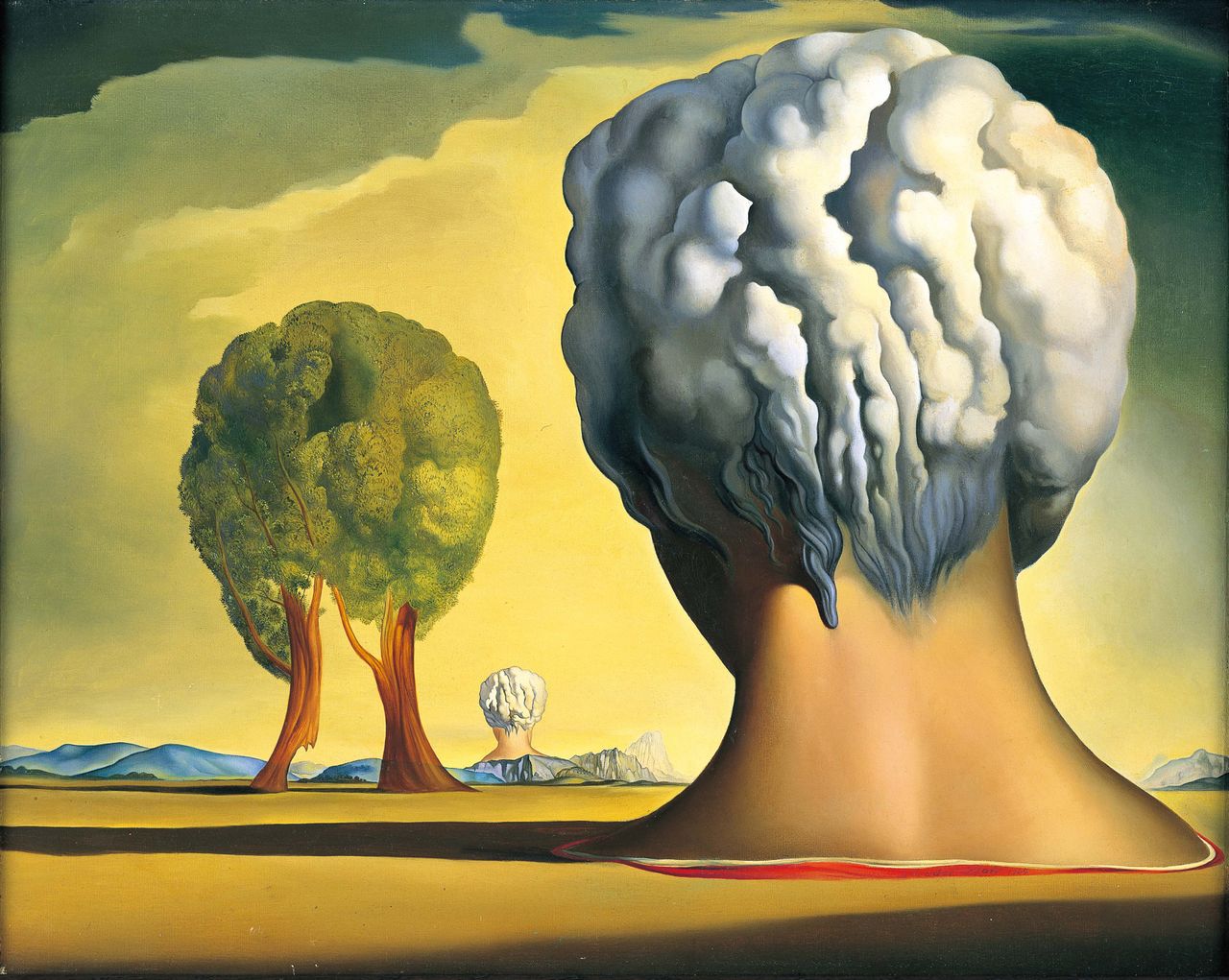
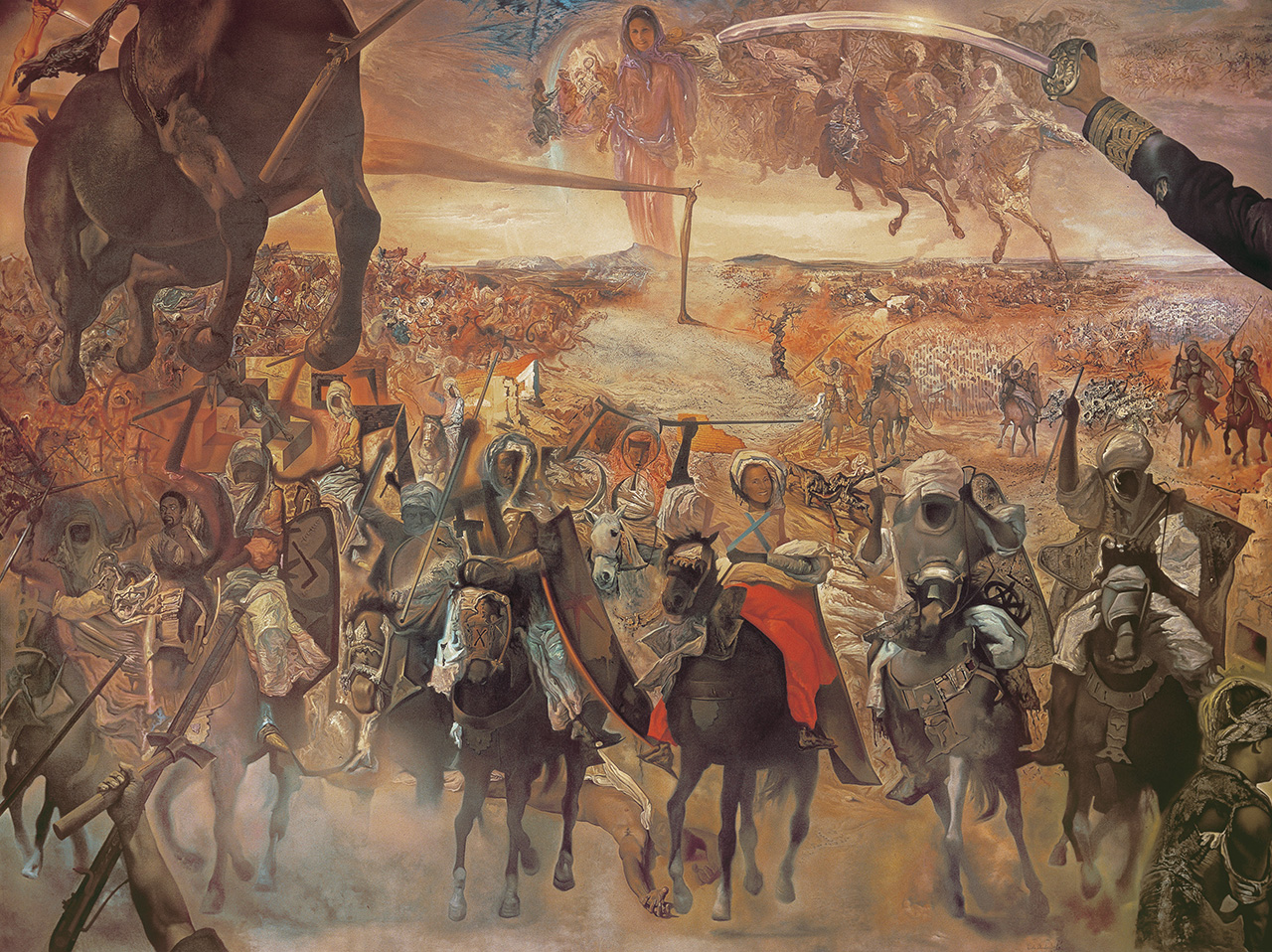
The Morohashi Museum of Art has at total of 394 artworks in its collection. 332 of these come from the great Spanish artist, Salvador Dali (19 oil and watercolors, 37 sculptures, 273 prints and 3 others). There are 23 pieces by British modern artist Pamela Crook, as well as 39 other western modern paintings. Usually twice a year, about 150 works are selected from the collection for thematic exhibitions. Our museum is the third to open with Dalifs art on permanent exhibition. The first is The Dali Theatre-Museum in Figueres, Spain; the second is the Dali Museum in the state of Florida, U.S.A. The 37 sculptures of our Dali collection are considered some of his finest. We also have excellent Dali oil paintings, such as gThe Battle of Tetuành and gThe Three Sphinxes of Bikinih. Also on permanent collection are 20th century works by Cezanne, Renoir, Matisse and Picasso. The museum continues to expand its collection through the New York Auction. In 2007, the museum acquired Alfred Sisleyfs gHay Stackh (1895). In 2008, acquisitions included Salvador Dalifs gAllegory of Sunseth (19440-41), Pablo Picassofs gSelf-Portraith (1964) and gPoor Mealh (1904). |
Our Building
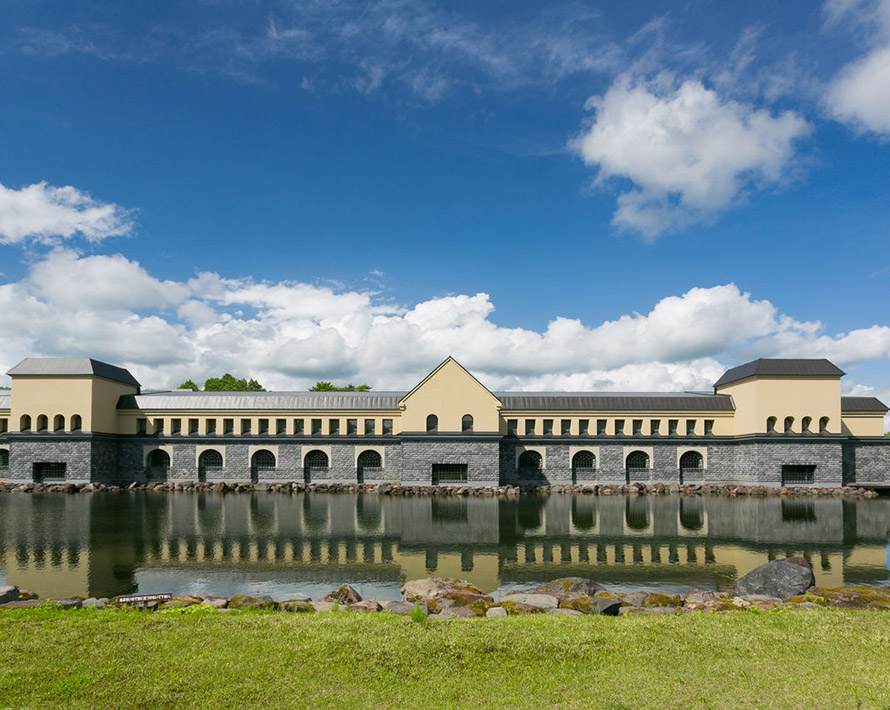
The museum was designed by architect Kimio Shimizu and the museum founder, Teizo Morohashi. The 2000 square meters of the museum and 55,000 square meters of property are located in the Bandai Asahi National Park. With open air in mind, the museum was designed with high ceilings, and includes six exhibition rooms and a large central passage exhibition hall. At the entrance there is a museum shop and café which offer a relaxing atmosphere. Additionally, the museum offers a great view of a crater in the volcanic Mt. Bandai. Also on site are a storage building and a tea house. |
Salvador Dali (1904-1989) |
Salvador Dali was born in 1904, in the town of Figueres, in Catalonia, Spain. Dali did his first oil painting at age six; he painted his last at age 84. Dali expressed himself through many art mediums, including painting, sculpture, print, costume design and film. Dali was known for his characteristic, flamboyant mustache. He remains famous for the painting, gThe Persistence of Memoryh and the flexible, melting clock within.
Dali pursued many different art forms in his adolescence and was most influenced by the schools of impressionism, pointillism and cubism. In the 1930s, he officially joined the surrealism art movement, which was centered in Paris. Unique to Dalifs work is the concept of gcritical paranoiah. In this, he tries to uncover the desires of the unconscious, which lie behind dreams and the mind. With this goal in mind, he created paintings that were both irrational and illusory. One method he used was double images within one painting and this is representative of his work at that time.
Gala, Dalifs wife, supported him and his vigorous creativity. She was a muse to Dali and was a model for many of his works. They were linked together through love and through art. Dali once said that gAll are enemies except Galah and that git is mostly with your blood, Gala, that I paint my picturesh.
With retrospective exhibitions of his art in Europe and in the United States, and the completion of the Dali Theatre-Museum in Figueres, Dalifs fame and infamy grew. There is a quote by Dali that encapsulates his art and the way he lived, gcthat if you act like a genius, you will be one!h
|
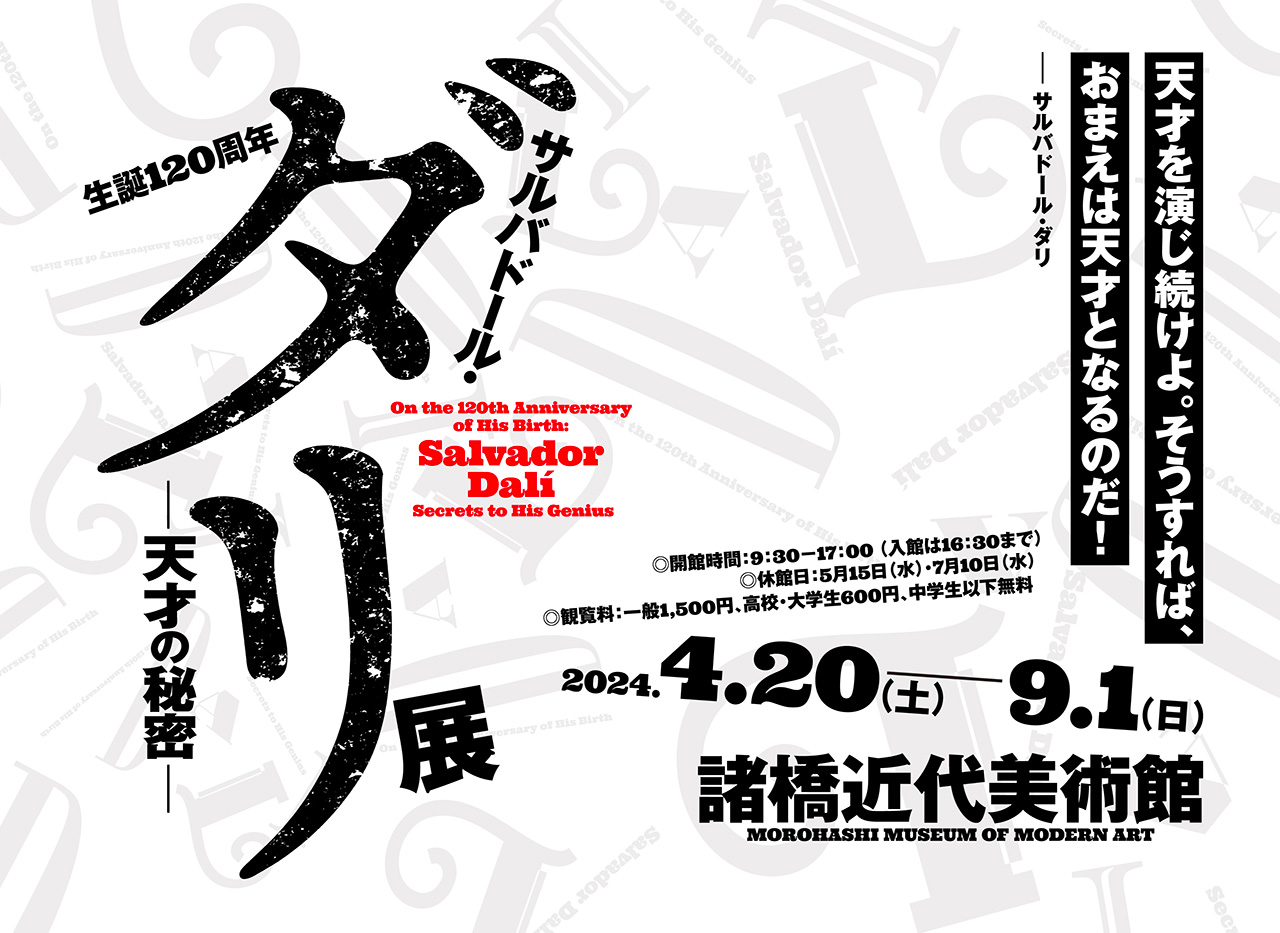
| THE OPENING TERM IN 2010 |
From April 17 to November 30
We always open during the opening term except from June 28 to July 2. |
 |
| HOURS |
9:30 a.m. - 5:30 p.m.@(No entrance after 5:00 p.m.)
–From November 1st 9:30a.m-5:00p.m (No entrance after 4:30p.m) |
The museum is closed from December 1st to April 19th every year.
In 2009 , the museum is closed from June 29 to July 3 because of changing exhibitions. |
| ADMISSION |
| Adults, College Students |
950yen (900yen) |
| High School Students |
500yen (450yen) |
| Children under 15 |
200yen (150yen) |
(Discount admission price for group of 20 or more)
* Including special exhibition
* Children under 5 admission free
* Saturday and Sunday , national holiday is children under 15 admission free. |
@©ClickI |
| ACCESS |
By Car
Take Banetsu Express to Inawashiro Bandaikogen Interchange, get on Urabandai-bound Route 115 and 459 |
By Train
From Inawashiro Station (JR Banetsu-Sai Line) 25minutes by taxi. Or take a bus from Inwashiro Station. Get off at Morohashi Bijutsukan Mae (About 30 minutes ride) |
|
| ADDRESS |
1093-23 Aza-Kengamine, Oaza-Hibara, Kitashiobara-mura, Yama-Gun, Fukushima-Ken, Japan, 969-2701
TEL : 0241-37-1088@@FAX : 0241-32-3332
URL : http://dali.jp@@E-MAIL : morohashi@dali.jp |
| VISITORS POLICIES |
¡ We are closed at 5:30 pm. Museum Shop is closed at 5:15pm.
¡ No Photos without an entrance hall.
¡ No smoking, No eating and drinking, candy, Chewing gum etc.
¡ Food and drinks are permitted only in the cafeL and may not be carried into the galleries.
¡ Bottle of drink cannot be carried into the galleries.
¡ No umbrella(s). Please use an umbrella stand
¡ Please use a locker for your baggage(s)
¡ Do not touch works.
¡ Please talk in small voice.
Morohashi Museum of Modern Art |
|
 |